20 years of Building Narrative Power
In 2006, a visionary team of Alan Jenkins, Dr. Brian Smedley, Phoebe Eng, and Bill Lann Lee launched The Opportunity Agenda (TOA) with a fundamental mission: building the national will to expand opportunity in America. Over the next 20 years, TOA evolved into a force for change. Alongside our partners, we have built and amplified narratives focused on justice, equity, and opportunity—from grassroots labor movements to civic engagement and legal advocacy—and have reached millions with our values-based messaging.
Together, we are proud to have shaped the narrative landscape through our tools and reports, in-depth trainings such as the Narrative Innovators Lab, and visionary spaces like the Creative Change Retreat. Through it all, TOA has consistently been at the forefront of narrative shift and social justice communications.
TOA sunsetted operations at the end of 2025. In January 2026, ReFrame and Define American took on TOA’s programmatic work, trainings, and archives, carrying our narrative vision forward into its next chapter. ReFrame now houses TOA’s narrative and messaging work and this legacy website, while Define American houses TOA’s immigration work and research. We are grateful that our legacy lives on through their stewardship.
We thank you for your partnership and support over the years, and hope that you will continue to use the resources on this website.
Our Resources
As pioneers in values-based communication, The Opportunity Agenda helped define and grow the narrative change field. For two decades, TOA conducted innovative research on the stories and values shaping public opinion, published narrative guidance to support policy wins, trained advocates and movement leaders, convened artists and changemakers across sectors, and developed groundbreaking programs that expanded the reach and impact of narrative change. Through values-based communication strategies, The Opportunity Agenda helped build cultural acceptance for equitable and just policies across the country.
What is Narrative Change?
Narrative change is about more than messaging—it’s the ongoing work of reshaping the overarching stories that define our world: what we believe, whose voices we value, and what futures feel possible. These stories, repeated across culture, media, and everyday conversation, shape how people understand dignity and justice. When rooted in fear and exclusion, they divide us; when grounded in shared values like voice, equity, and opportunity, they bring people together and expand what is possible.
The Opportunity Agenda helped shape the conversation around narrative change, bringing movement builders, artists, and advocates together to put these ideas into action. Through research, training, and innovative programs, we made narrative change accessible and adaptable, something people across sectors could use, strengthen, and make their own. In 2025, we produced the Future Over Fear Toolkit to continue supporting this vision, and today this work carries forward through our peers and partners, including Narrative Initiative, Define American, ReFrame, We Make the Future, FrameWorks Institute, Race Forward, RadComms, and the Pop Culture Collaborative.
Last Date Updated: December 25, 2025
Future Over Fear Toolkit
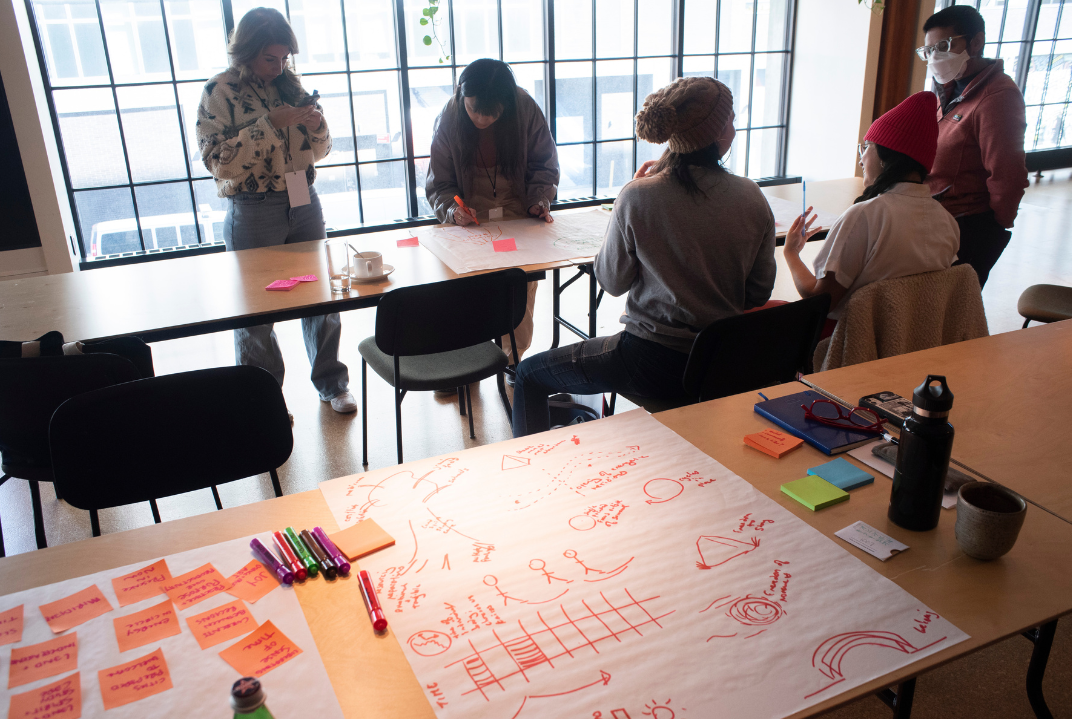
Our Future Over Fear Toolkit is a comprehensive resource designed to galvanize people toward a shared, hopeful future. It culminates years of TOA’s research and field-testing, providing actionable frameworks and resources to design and implement narrative strategies. The Toolkit was born out of the recognition that to build a fairer, more inclusive society, we need a clear vision and a strong narrative strategy. In the face of rising Fear Narratives that use blame, division, and threat to spark anxiety and justify control, the Future over Fear Toolkit demonstrates that hope can be a powerful emotional motivator to combat fear.