On this day in 1965, the Supreme Court upheld the “right of marital privacy” in the case of Griswold v. Connecticut, which ensured access to contraception. The case provided precedent for the court to legalize abortion in the Roe v. Wade case eight years later. The Supreme Court’s 2022 decision to overrule Roe also raised concern about how the right to privacy might be further threatened in other landmark decisions. When discussing the intersecting harms of the political attacks on reproductive freedom, remember to advance narratives of full rights and justice for everyone, especially those living in poverty and Black, brown, and Indigenous communities. Cite the values of opportunity and equity.
Tag: gender justice
19th Amendment
Today is the anniversary in 1919 of Congress approving the Constitution’s 19th amendment, which gave white women the right to vote. While an important accomplishment, Jim Crow laws prevented many women of color from exercising this right for decades. Women of color continue to lead civic engagement within our communities, using both organizing and cultural strategies to expand voting rights in the face of continued efforts to suppress votes in communities of color. Cite the values of equity and voice when talking about this anniversary.
PRIDE Month
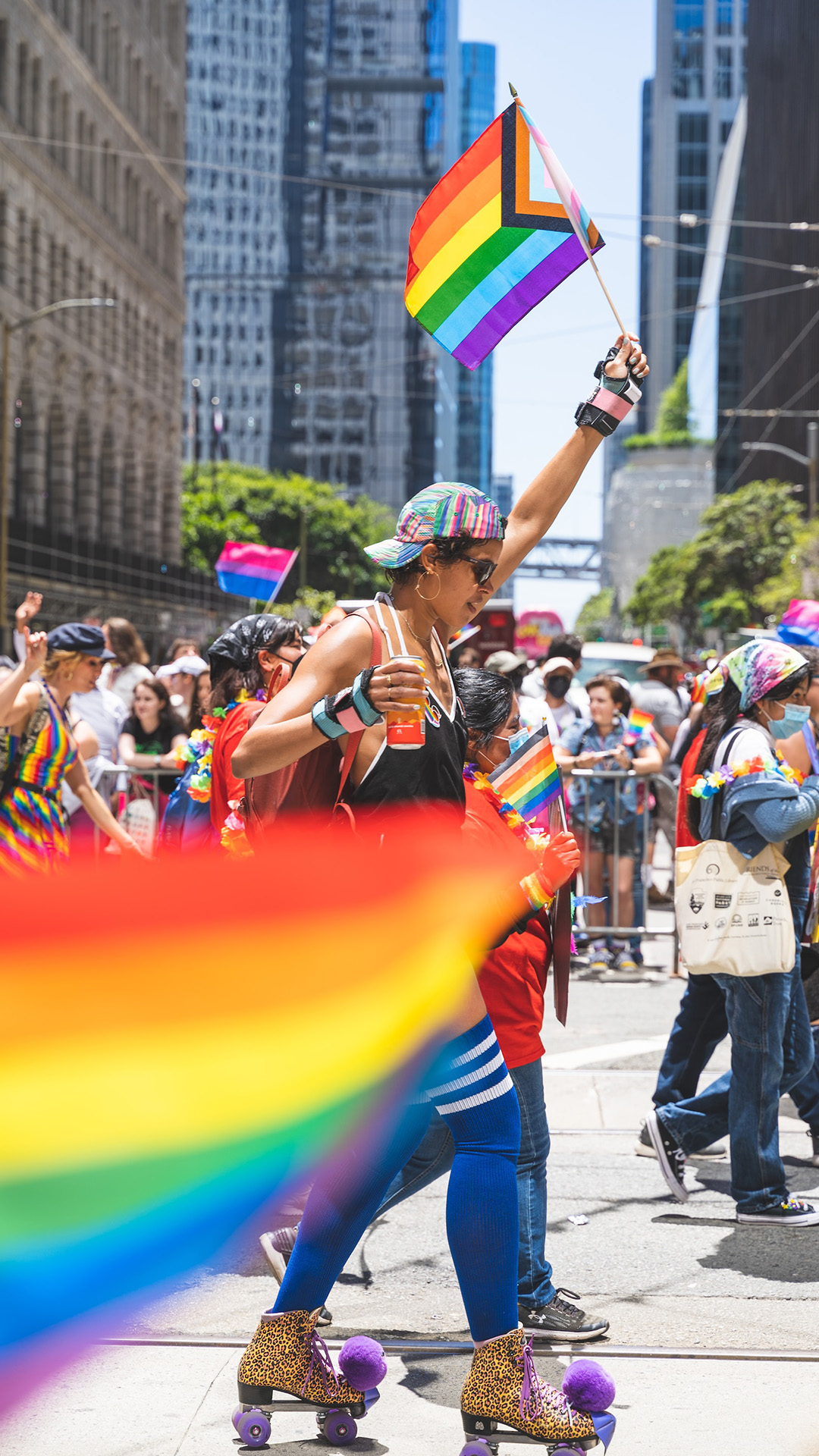
Happy Pride Month! As we come together for annual Pride celebrations, remember to uplift the intersectional issues impacting members of the LGBTQIA+ community, with an eye to racial, gender, and economic justice. Cite the values of safety, opportunity, community, and voice.
Right to Privacy: Roe v. Wade
On this day in 1973, the Supreme Court upheld the “right to privacy” in the case of Roe v. Wade, protecting the right to choose whether or not to have an abortion nationwide. The Supreme Court’s decision to overturn decades of precedent in Dobbs v. Jackson Women’s Health Organization significantly threatens reproductive justice in numerous states. The decision also galvanized communities and voters to take action and pass new protections upholding people’s right to access safe abortions. When talking about this anniversary, cite the values of opportunity, voice, and equity.
Nina Simone
On this day in 1933, singer, songwriter, pianist, and activist Nina Simone was born. Throughout her career, Simone fearlessly spoke out against injustice. Use the anniversary of Simone’s birth as the opportunity to talk about the example she provided for artists to be activists and cultural influencers. Cite the values of voice and equity.
State of Indian Nations
Each year, the president of the National Congress of American Indians (NCAI) presents the State of Indian Nations around the same time as the U.S. president’s State of the Union. To facilitate direct engagement, a member of Congress is also invited each year to deliver a congressional response.
NBA All-Star Game

This weekend, the National Basketball Association (NBA) hosts its All-Star Game. Professional basketball players — from the NBA and Women’s National Basketball Association (WNBA) — have been important cultural influencers in the Movement for Black Lives. Many WNBA athletes have also actively organized in support of pay equity. Use this weekend to talk about racial and gender justice both on and off the court. Cite the values of voice, equity, and safety.
Toni Morrison & Audre Lorde
Today is the birthday of two influential African-American writers/activists: Toni Morrison and Audre Lorde. They were born a few years apart. Throughout their careers, they explored the intersectional issues of race, gender, and sexuality. Morrison won the Nobel Prize for Literature in 1993. Use their birthdays to raise the values of voice and equity.
Super Bowl

Today is Super Bowl Sunday in Glendale, AZ. While the big game is best known for entertaining commercials and snack spreads, the media event surrounding it has also created opportunities for cultural strategies, from Beyoncé’s iconic halftime show to activism for NFL teams to drop offensive and disparaging Native American mascots. Cite the values of voice and equity.
Family and Medical Leave Act of 1993 (FMLA)
On this day in 1993, President Bill Clinton signed into law the Family and Medical Leave Act of 1993 (FMLA) which requires most employers to provide job-protected and unpaid leave for qualified medical and family reasons to their employees. The law was an important step for worker rights but today advocates are pushing for paid family and medical leave for all workers. Cite the values of opportunity and equity when discussing this anniversary.